DRAG
It's one of the most common questions we're asked, and the answer is worth thousands of pounds either way. Renovation keeps the structure you have and transforms everything you see and touch. Replacement starts again. One is dramatically cheaper and less disruptive; the other fixes problems renovation never can. This guide explains how to tell which one your home needs, and how a five-minute look at the right things usually settles it.
(Part 2 of our Ultimate Guide to Bespoke Staircases in the UK.)


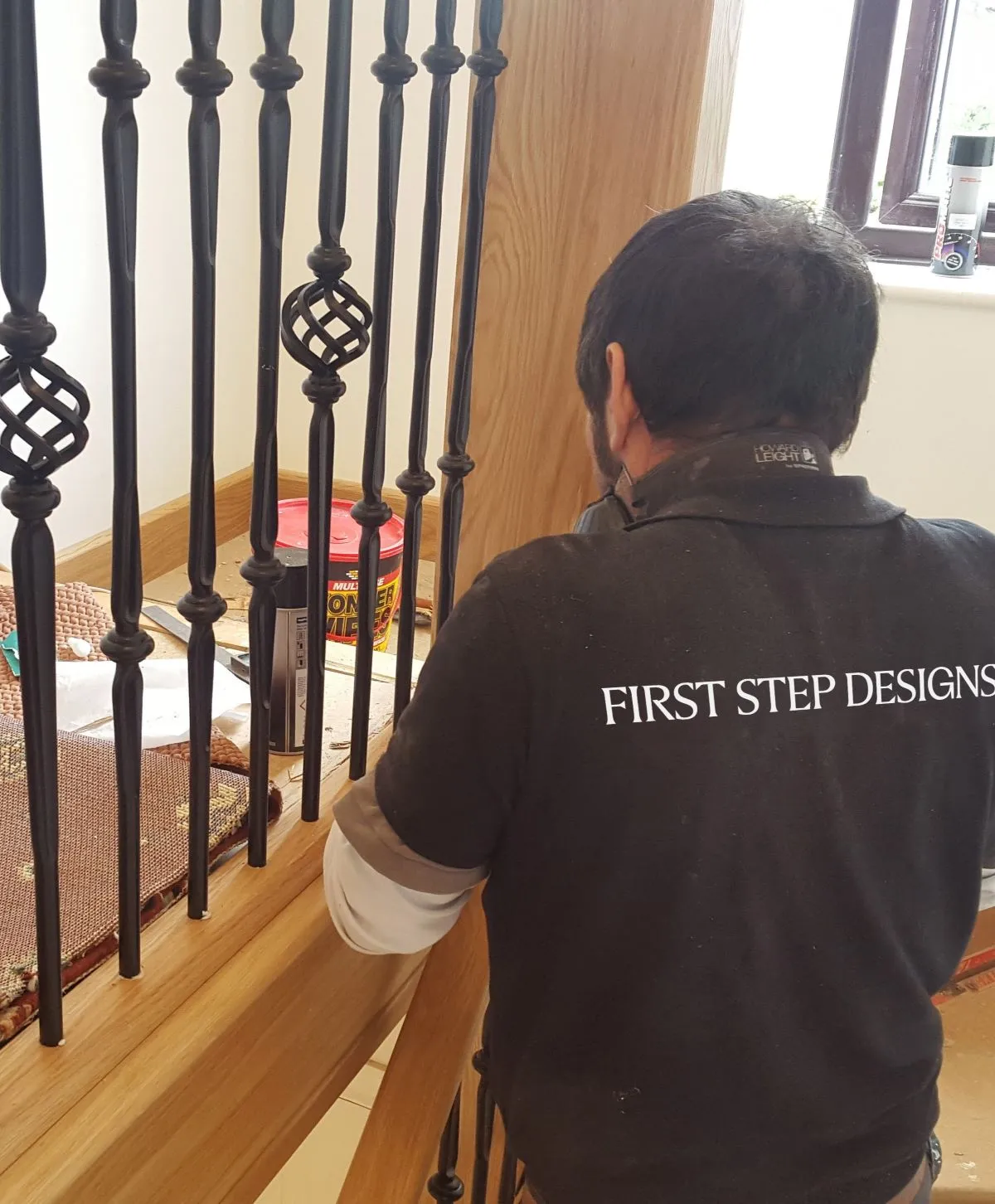
Renovation keeps the structural carcass, the strings, treads and supporting structure, and replaces or refinishes everything else. That's a longer list than most people expect: new balustrades and handrails (timber, glass, steel), new newel posts and caps, oak cladding over existing softwood treads and risers, new nosings, lighting, and complete refinishing.
Because the structure stays, there's no demolition, no floor-to-floor recalculation, and typically only a few days of work. Done well, a renovated 1970s flight is visually indistinguishable from a new staircase, for a fraction of the cost.
Replacement removes the existing flight entirely and installs a new staircase, either like-for-like in the same opening, or a completely new design, sometimes in a new position. It's the only route when the problem is the staircase's geometry rather than its appearance: a pitch that's too steep, headroom that fails, winders that are awkward or dangerous, a layout that fights the way you use the house, or structure that's beyond saving. A replacement must fully comply with current building regulations, and at FSD it follows our full bespoke process—survey, 3D design, workshop fabrication, installation.
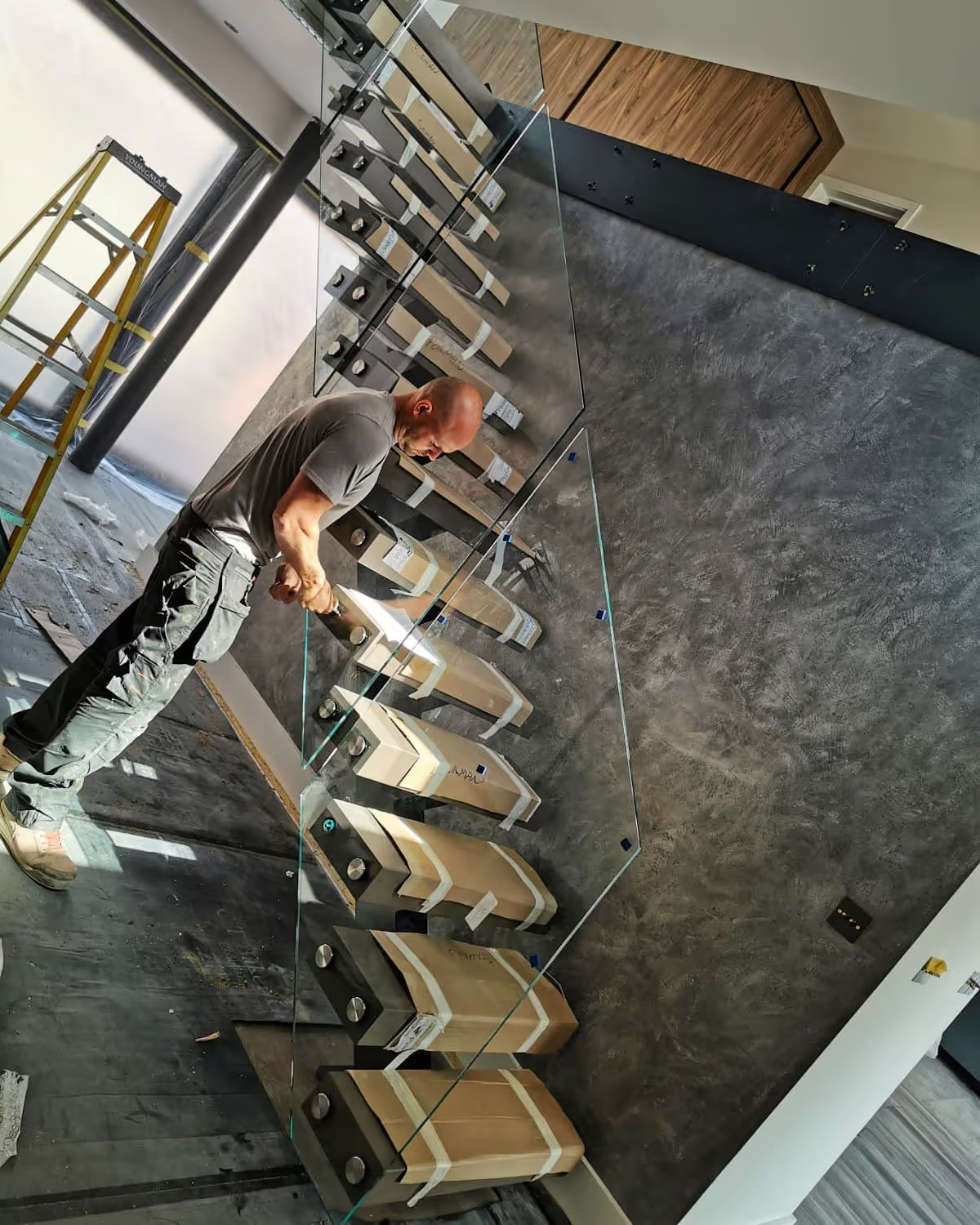
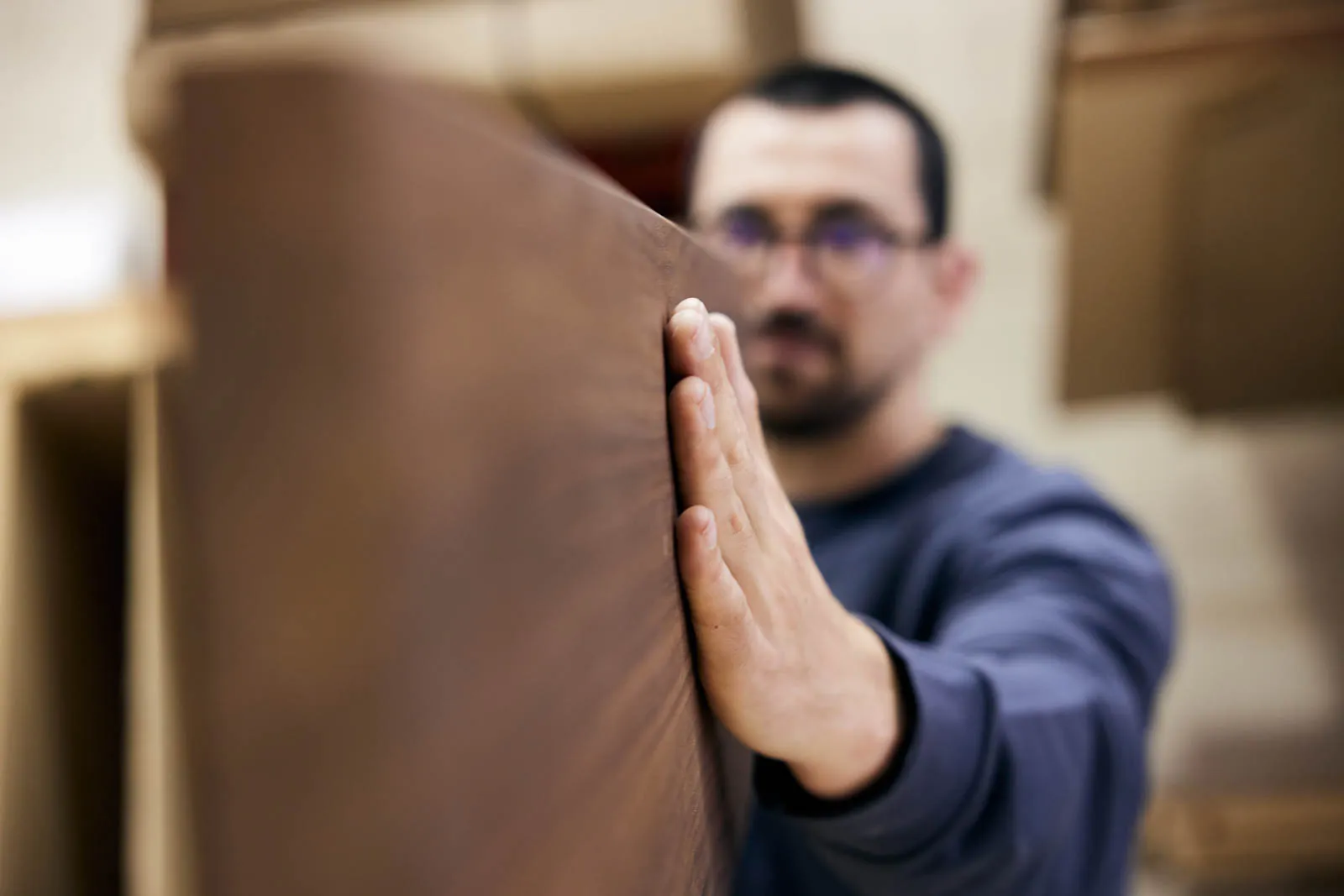
Appearance is fixable. Structure and geometry are the real question, which is why the decision starts with a survey, not a mood board. What matters: whether the strings are solid and free of splits, whether treads and risers are secure or the wedges and glue blocks underneath have failed, whether the flight has moved away from the wall or trimmer, and whether the existing rise, going and headroom are comfortable and compliant.
Sound structure plus acceptable geometry means renovation is on the table. Failed structure or bad geometry means it isn't, no matter how much you spend on spindles.


Renovation can transform:
dated balustrades and dark boxed-in sides (swapping to glass or slim spindles floods a hallway with light), worn or creaking treads, chipped paint and orange-varnished pine, missing character in a period home, grip and safety underfoot, and the overall sense that the hallway belongs to a different decade.
Renovation cannot fix:
a steep pitch, short goings or unequal risers, inadequate headroom, a landing in the wrong place, a staircase that blocks light or floorspace by design, or structural failure in the strings. Those live in the geometry and the carcass — and changing them means replacement.
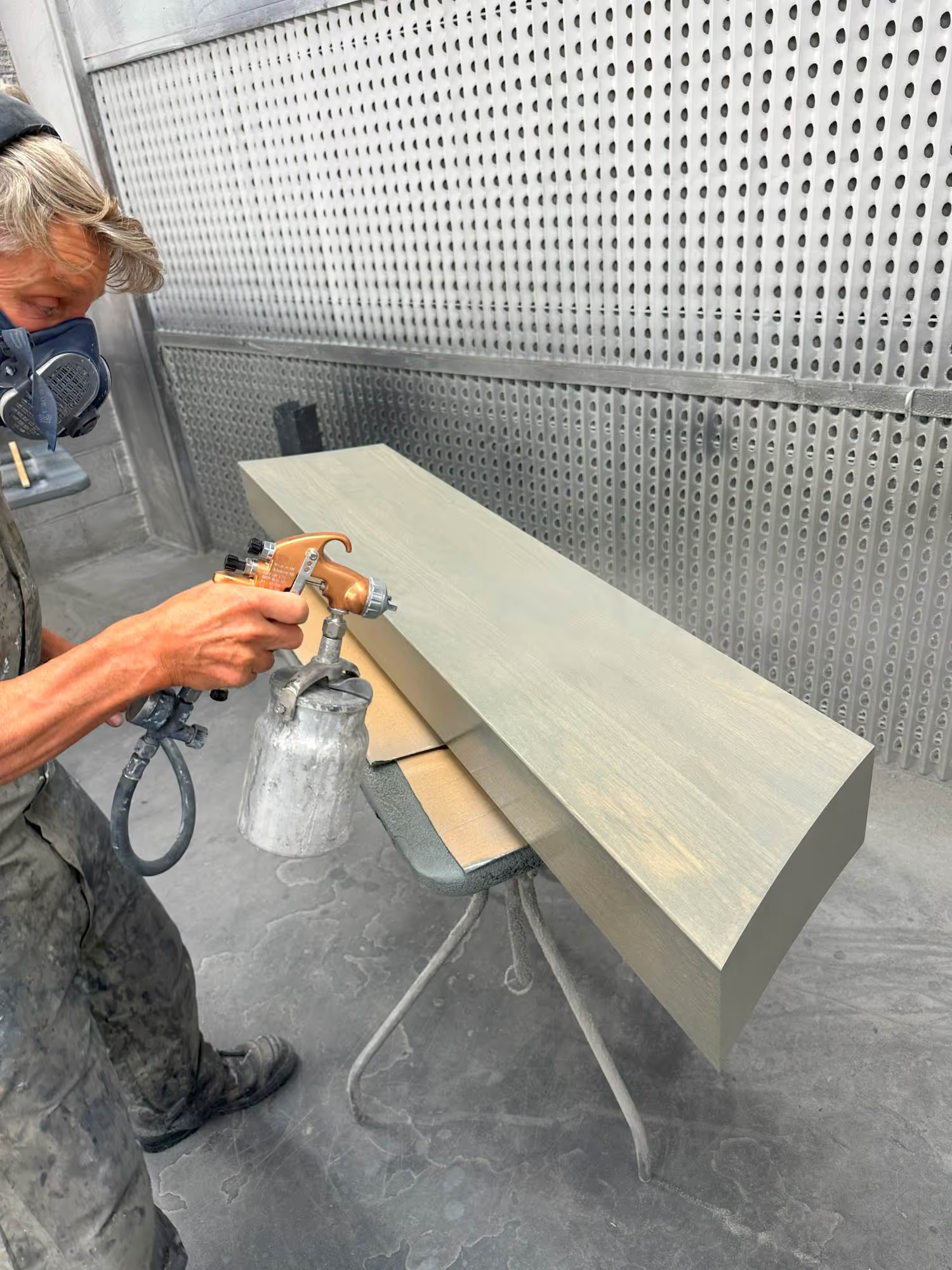
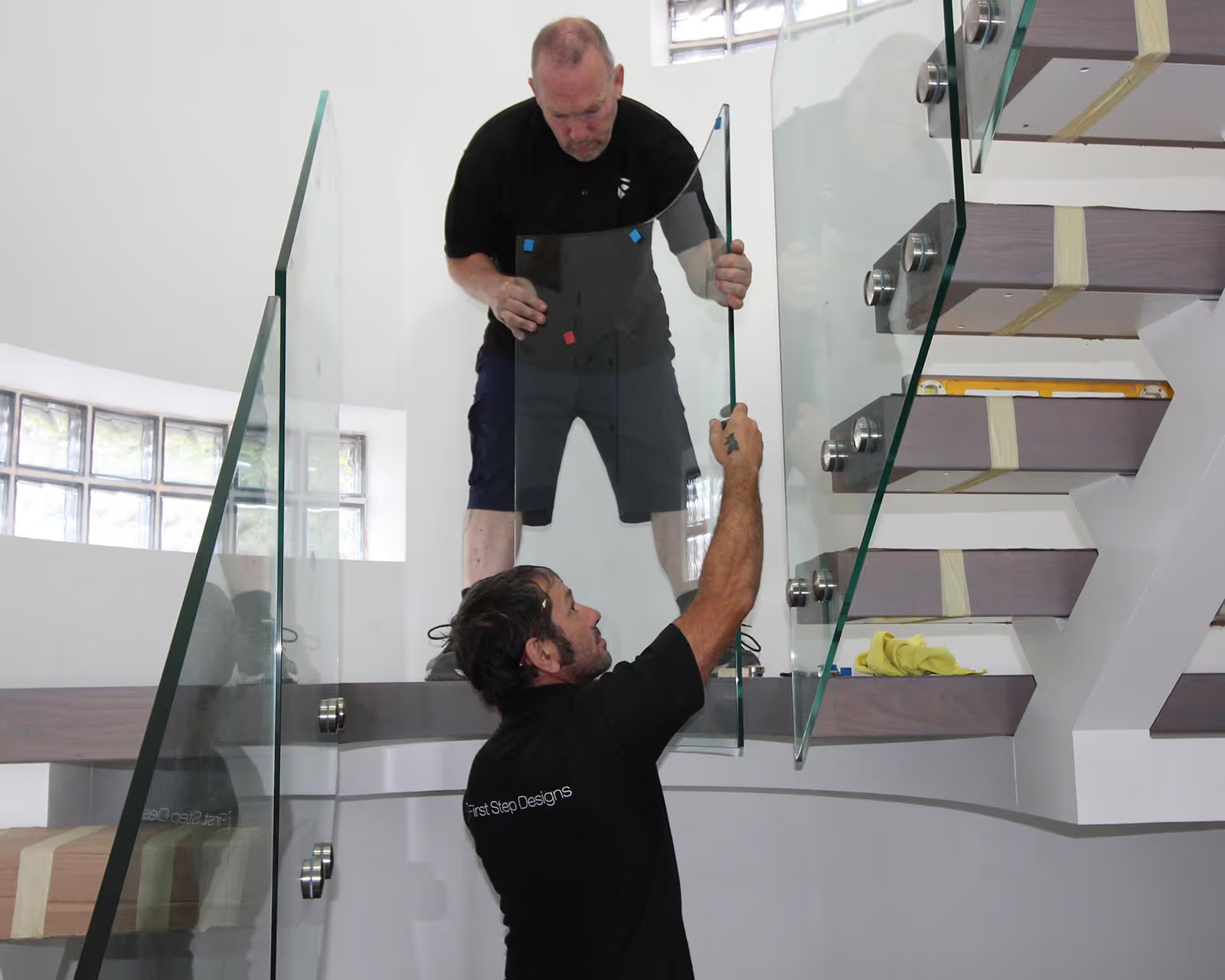
A quality renovation typically lands in the low-to-mid thousands depending on materials — oak and glass at the top of that range, while a full bespoke replacement starts around five figures.
Just as importantly: renovation usually means a few days of work with the staircase usable each evening, while replacement is a planned removal and installation. We've broken down full pricing in [our 2026 cost guide], including what moves the numbers in each direction.
There's a genuine judgement call in the middle: staircases that could be renovated, but shouldn't be. If the renovation budget is climbing toward half the cost of replacement, and the underlying flight will still be steep, dark or awkward when it's done, the maths changes — you'd be spending serious money to keep a compromise. The honest test: will renovation give you a staircase you'd have chosen, or just a better version of one you wouldn't?

Gareth
Designer
Gareth embarked on his journey in staircase design 16 years ago as an apprentice in a woodwork shop. Over the years, he diligently refined his skills, evolving into a creative CAD expert with a supreme skillset.
Beyond his professional life, Gareth is a proud father of three. His passion extends beyond the design realm as he immerses himself in the world of golf, playing courses all over the UK. His favourite thing to do is buy golf clubs without his partners permission.

Richard
Designer
Rich has been immersed in the woodworking industry since his school days. With a keen interest in DIY projects, he found his way into the staircase industry 20 years ago. Starting as a machinist and doubling as a surveyor, Rich's knowledge of staircases and materials has grown into a wealth of experience.
When not at the office, Rich enjoys quality time with his delightful daughter, who keeps him happily occupied. During his free moments, he nurtures a profound passion for music, immersing himself in music production and DJing to constantly elevate his creative pursuits. His favourite thing to do cook family dinners like his italian ancestors.

Adam
Lead Designer
Adam has been obsessed with design since school. He has bachelors degree in Design Technology and a Master degree in Industrial Design. He uses these skills masterfully creating some of the most unique staircases in the country.
Outside of design life, Adam is a keen triathlete. You will find him either cycling, running or swimming somewhere in the country. His favourite thing to do is eat carbs.


