DRAG
In one, a flat-packed flight arrives on a pallet within days for under £1,500. In the other, a designer surveys your home, models your staircase in 3D, and a workshop builds it by hand over several weeks. Both get you upstairs. Both must meet the same building regulations. So what's the real difference, and which one does your home actually need? This guide breaks it down honestly, including the situations where off-the-shelf is the right call.
(Part 1 of our Ultimate Guide to Bespoke Staircases in the UK.)

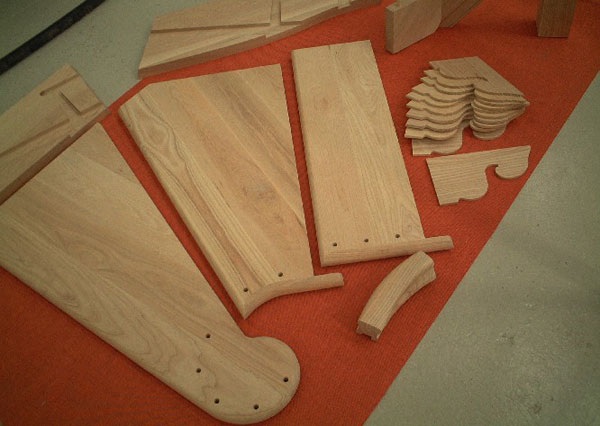
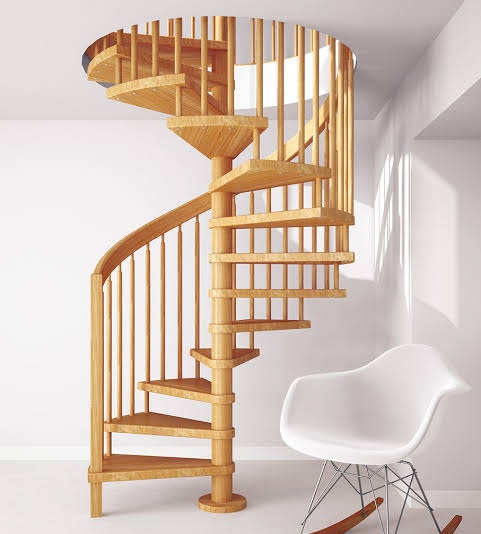
An off-the-shelf (or "flat-pack" / "standard") staircase is a mass-produced flight built to common UK dimensions, typically sized for a floor-to-floor height around 2,600mm, in standard widths of roughly 750–860mm, with softwood strings and MDF or pine treads. It's manufactured in volume, held in stock, and delivered fast. Any adjustment happens on site: the installer trims, packs and shims the standard unit to suit your opening. It's the staircase equivalent of a suit off the rail, perfectly serviceable if you happen to be a standard size.

Fit
This is the fundamental one. Building regulations require every riser in a flight to be equal. A standard staircase built for a 2,600mm rise meeting a real-world floor height of 2,720mm can't simply be "adjusted." Site alterations to standard flights are limited, and the compromises land in your pitch, your headroom, or an awkward top step. A bespoke staircase is built to your measurements from the start, so the fit isn't an installation problem to solve — it's the starting point.
Design freedom
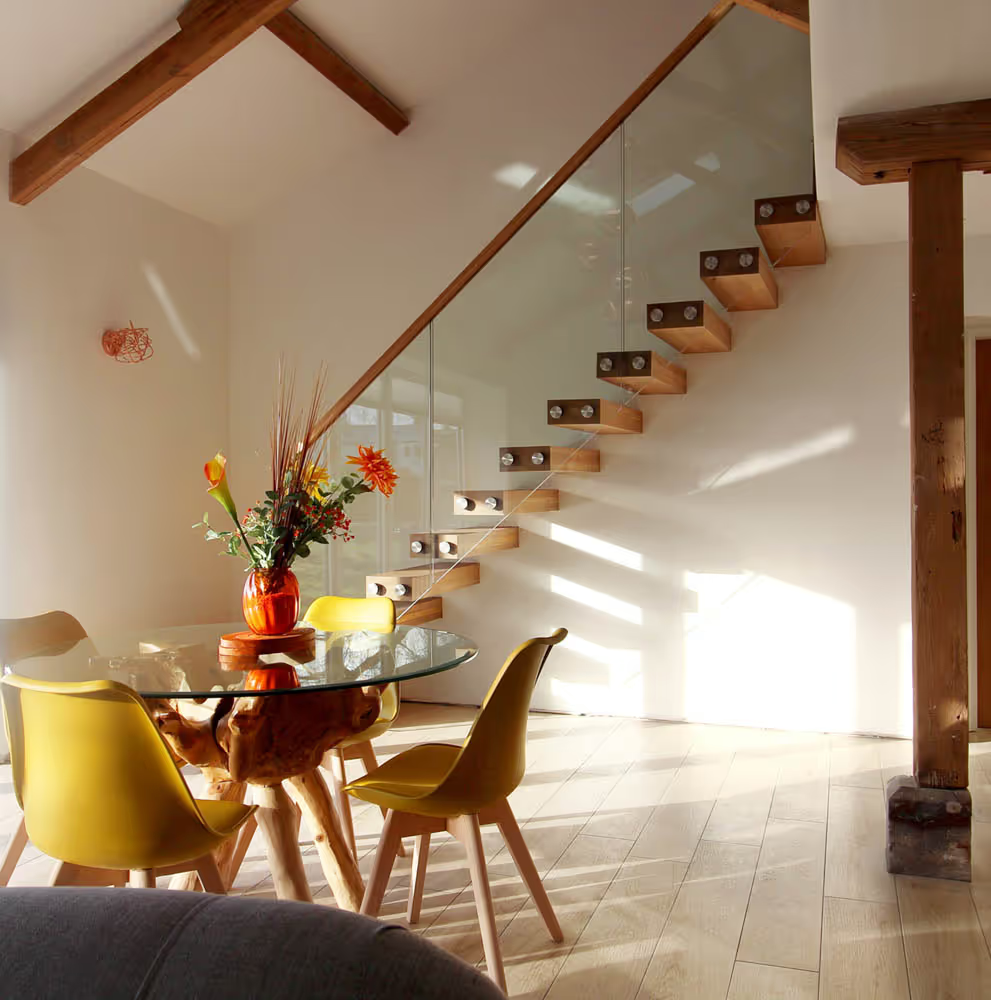
Off-the-shelf means choosing from a catalogue: straight flights, standard winders, a limited set of balustrade options. Bespoke means the geometry itself is designable — curves, cut strings, floating treads, central spines, glass, steel, seamless handrails — and every detail can respond to your home's light, sightlines and architecture.
Materials and construction
Standard flights are typically softwood and MDF, machine-jointed for speed and price. Bespoke staircases are built from materials chosen for the project — oak, walnut, ash, steel, glass — with joinery designed for generations of daily use, not a price point.
Compliance
Both must meet [Approved Document K] — the same rules on rise, going, pitch, headroom and balustrades apply regardless of price. The difference is when compliance happens: bespoke designs are engineered to comply from the first drawing, while a standard flight's compliance depends on how well it happens to suit your opening and how it's adapted on site.

An honest comparison has to say it: sometimes a standard staircase is the sensible answer. If your stairwell matches standard dimensions, the staircase sits in a secondary space, the property is a rental or a flip, or the budget simply needs to go elsewhere, a well-fitted standard flight does the job. Where the calculation changes is when the space isn't standard, when the staircase is the first thing you see through the front door, or when you're planning to stay. Then the gap between "fits, more or less" and "designed for this house" is one you'll notice every single day.
Off-the-shelf flights typically run from a few hundred pounds to the low thousands, supplied; bespoke staircases start around five figures. That gap is real, but it's comparing a stocked product against a designed, surveyed, hand-built and professionally installed piece of your home's architecture. We've covered what a bespoke staircase costs in 2026 and why bespoke costs more in dedicated guides, so this article stays focused on the differences rather than the numbers.
Gareth
Designer
Gareth embarked on his journey in staircase design 16 years ago as an apprentice in a woodwork shop. Over the years, he diligently refined his skills, evolving into a creative CAD expert with a supreme skillset.
Beyond his professional life, Gareth is a proud father of three. His passion extends beyond the design realm as he immerses himself in the world of golf, playing courses all over the UK. His favourite thing to do is buy golf clubs without his partners permission.

Richard
Designer
Rich has been immersed in the woodworking industry since his school days. With a keen interest in DIY projects, he found his way into the staircase industry 20 years ago. Starting as a machinist and doubling as a surveyor, Rich's knowledge of staircases and materials has grown into a wealth of experience.
When not at the office, Rich enjoys quality time with his delightful daughter, who keeps him happily occupied. During his free moments, he nurtures a profound passion for music, immersing himself in music production and DJing to constantly elevate his creative pursuits. His favourite thing to do cook family dinners like his italian ancestors.

Adam
Lead Designer
Adam has been obsessed with design since school. He has bachelors degree in Design Technology and a Master degree in Industrial Design. He uses these skills masterfully creating some of the most unique staircases in the country.
Outside of design life, Adam is a keen triathlete. You will find him either cycling, running or swimming somewhere in the country. His favourite thing to do is eat carbs.


